
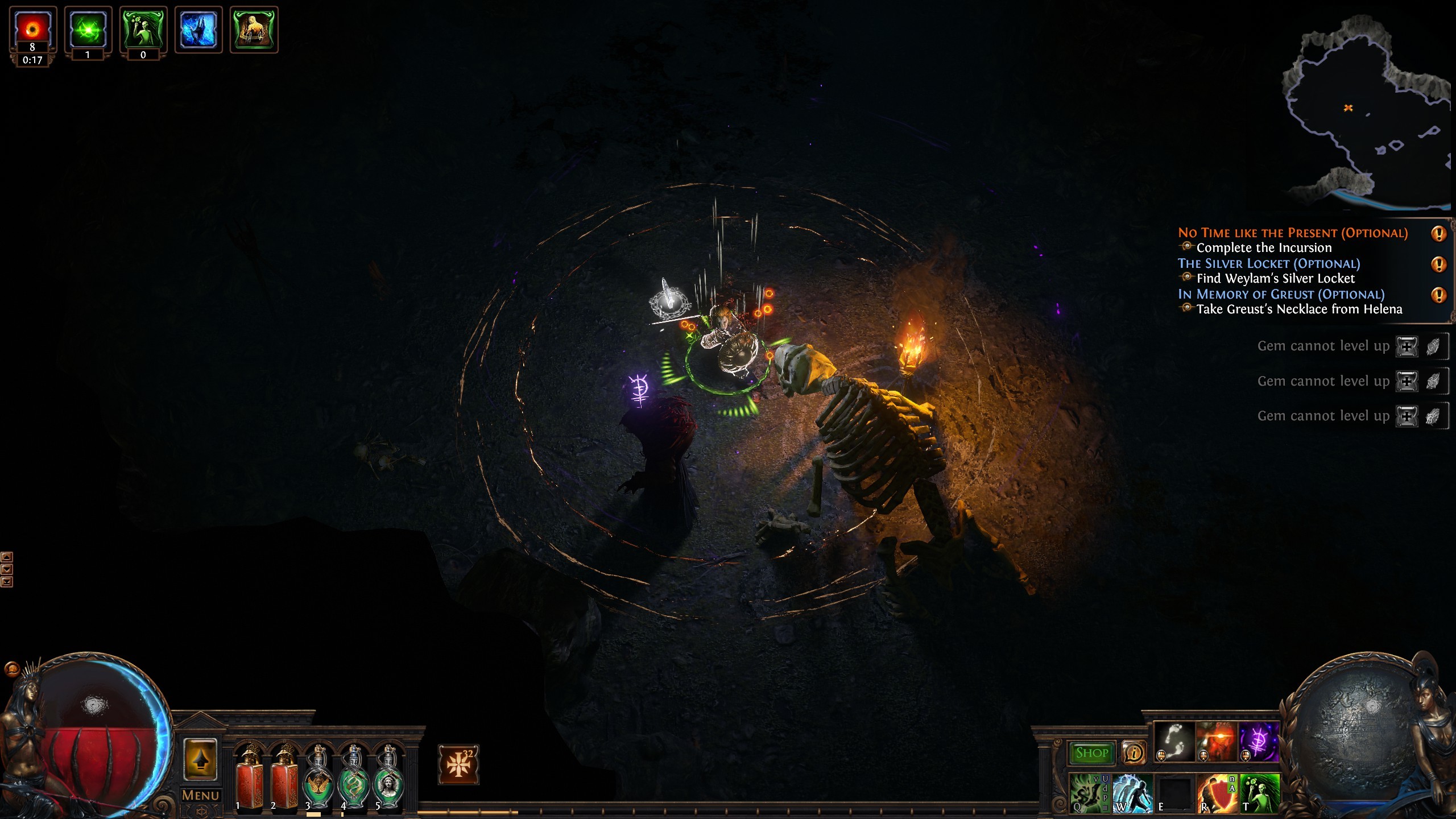
Path of Exile is known for its deep gameplay systems, and the randomized map system plays a huge role in keeping each playthrough fresh and unpredictable. Unlike many ARPGs where maps are static, Path of Exile’s maps are randomly generated, meaning no two runs are ever the same.
This randomness not only keeps the game exciting but also challenges players to adapt and rethink their strategies with each new map they encounter. In this article, we’ll explore how Path of Exile’s randomized map system works, how it impacts gameplay, and why it is such an important feature for replayability.
Understanding Path of Exile’s Randomized Maps
Maps in Path of Exile are a central part of the endgame, where players push their characters to the limits by taking on increasingly difficult challenges. Each map is procedurally generated, meaning that when you enter a map, the layout, enemy placement, and even the rewards you receive are randomly determined. This creates an element of surprise with each new map, as you never know exactly what you’ll encounter. Some maps will be packed with large hordes of enemies, while others may feature complex layouts full of traps or environmental hazards.
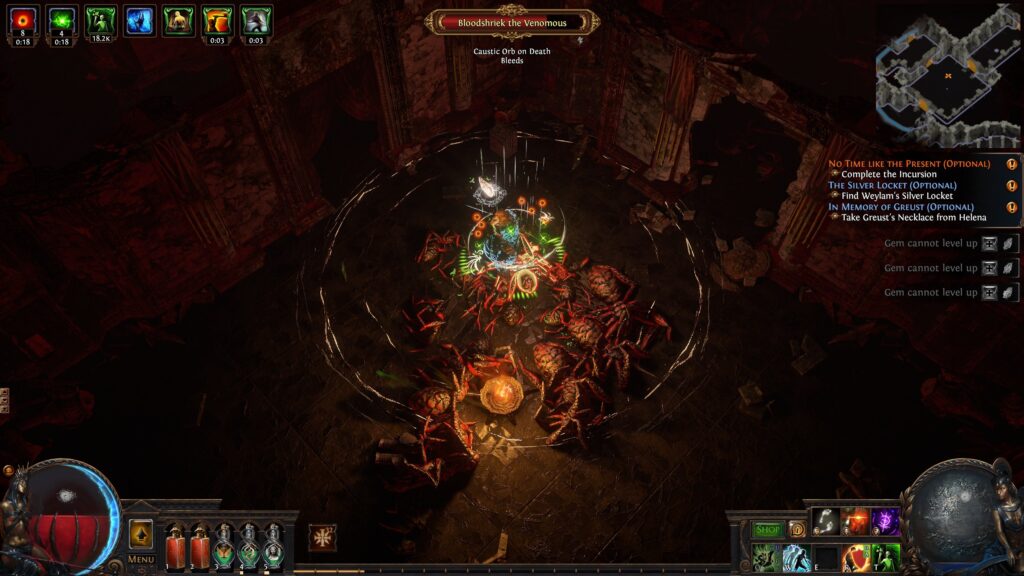
The variety in map layouts also forces players to constantly adapt their strategy. A map with narrow corridors might require different tactics than one with wide open spaces. You can’t rely on memorizing a specific layout because each time you venture into a new map, the environment will be different. This constant change keeps every run unique and prevents the game from feeling repetitive, even after hundreds of hours of play.
The Impact of Randomization on Replayability
The beauty of randomized maps is that they drastically increase the replayability of Path of Exile. In many games, once you’ve seen a specific area or dungeon, it becomes predictable, and the excitement starts to fade. However, Path of Exile’s randomized maps keep players on their toes. Even if you’re revisiting an area for the hundredth time, it will be different from last time, keeping things fresh and engaging. This dynamic system encourages you to keep pushing through the maps, discovering new challenges and rewards each time.
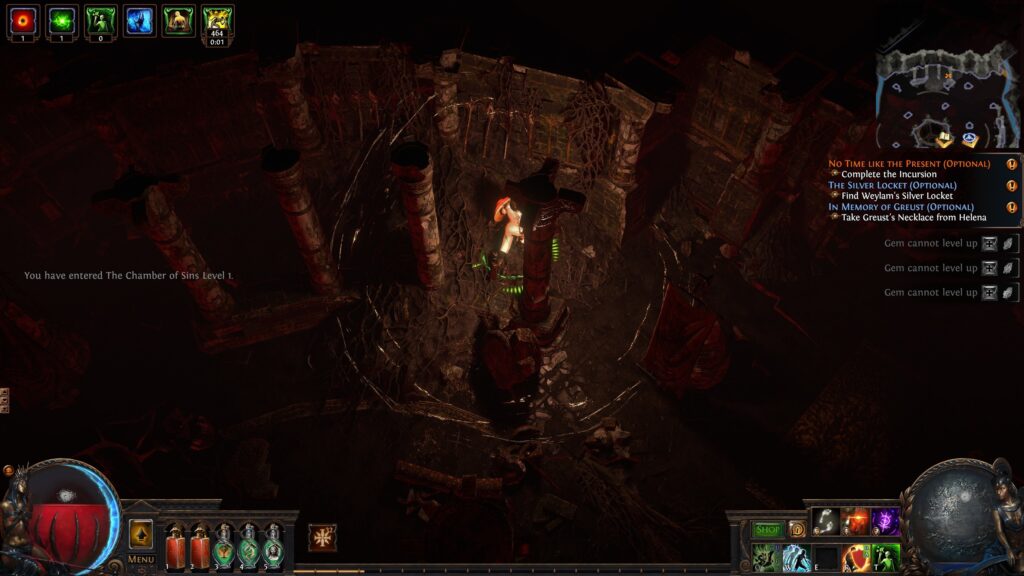
Additionally, the map system is tied directly to Path of Exile’s loot and progression. The higher the tier of the map, the tougher the challenges, but also the better the rewards. The randomness of each map can make for high‑risk, high‑reward gameplay. Will you get a map full of valuable items and monsters, or will it be a frustrating, narrow maze filled with enemies that are tough to handle? This unpredictability drives players to push further, constantly testing their builds and skills to see how far they can go.
Why the Randomization Keeps Every Playthrough Exciting
Map randomization creates an endless sense of discovery. You could run the same map type a hundred times, and each time it will present new surprises, whether it’s the map’s layout, the monster types, or the loot drops. This ensures that players feel a sense of wonder and excitement each time they step into a map. It’s not just about “farming” a map for loot, it’s about the experience of discovery and overcoming the challenges the map throws at you.
This also encourages experimentation. As the map generation changes with each run, players are constantly testing new builds, adapting their playstyles, and using new strategies. What works in one map may not work in the next, forcing players to keep evolving and refining their approach to combat, movement, and defense. This dynamic gameplay loop is one of the core reasons why Path of Exile’s randomized maps are so exciting and why the game keeps players coming back for more.
How Randomized Maps Add Depth to the Economy
Path of Exile’s randomized maps don’t just impact gameplay—they also have a profound effect on the game’s economy. The randomness of maps influences the demand for different types of items, currencies, and crafting materials. Maps with higher difficulty tiers tend to drop better rewards, including rare items and currency, which are highly sought after in the player-driven economy. Additionally, the unpredictable nature of certain maps can lead to fluctuations in item value, creating an ever‑changing marketplace where savvy players can profit from their map runs.
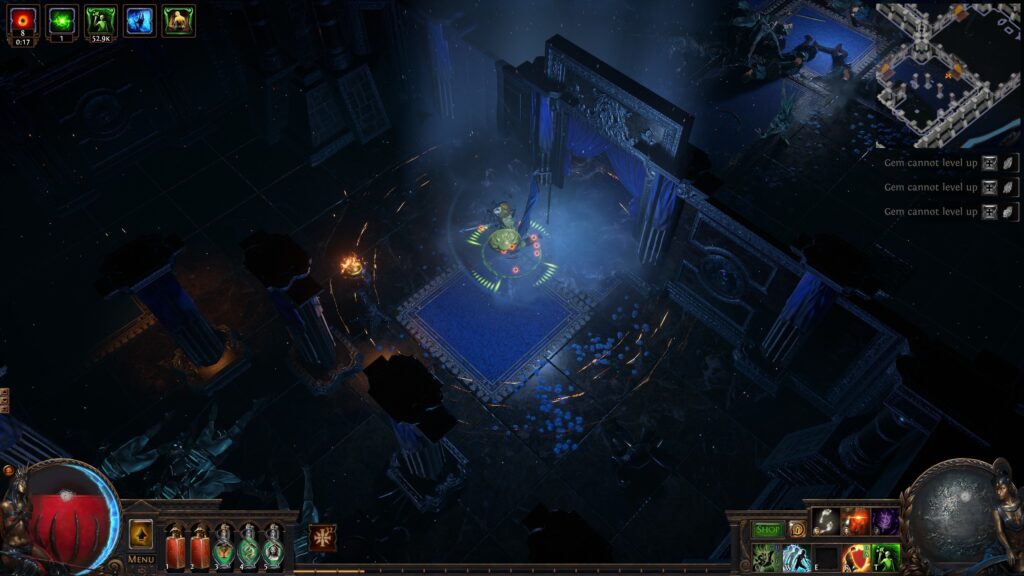
The map system’s randomization encourages players to trade for specific items, maps, or crafting materials that help them maximize their efficiency. For example, some players might specialize in running high‑tier maps, while others might focus on farming for specific resources that help craft powerful gear. The random nature of the maps creates a more dynamic and fluid economy, where different types of items and services are in demand depending on the current state of the game’s map pool.
Tips for Maximizing Your Efficiency in Randomized Maps
To get the most out of Path of Exile’s randomized maps, here are a few tips to help you maximize your efficiency:
- Invest in Map Sustain: Use Map Sustain mechanics (such as using “Alva Temples” and “Zana Modifiers”) to keep a steady supply of high‑tier maps so you can keep running harder challenges without running out of content.
- Focus on Synergies: Build a character that excels in map types you find enjoyable or profitable (e.g., clear speed builds for farming low‑level maps or tanky builds for higher‑level, more difficult maps).
- Use Map Mods Wisely: Experiment with map mods that improve item quantity, rarity, or the introduction of unique monsters to maximize your loot output during your runs.
Conclusion: The Endless Excitement of Randomized Maps
Path of Exile’s randomized map system is one of the game’s greatest strengths. It keeps the gameplay fresh, exciting, and unpredictable, offering a new experience with every map you run.
The constant change in map layouts, challenges, and rewards pushes players to keep experimenting with different builds and strategies. With its ability to constantly surprise and challenge players, Path of Exile’s randomized maps keep the game engaging and ensure that no two playthroughs are ever the same.




Leave a Reply