
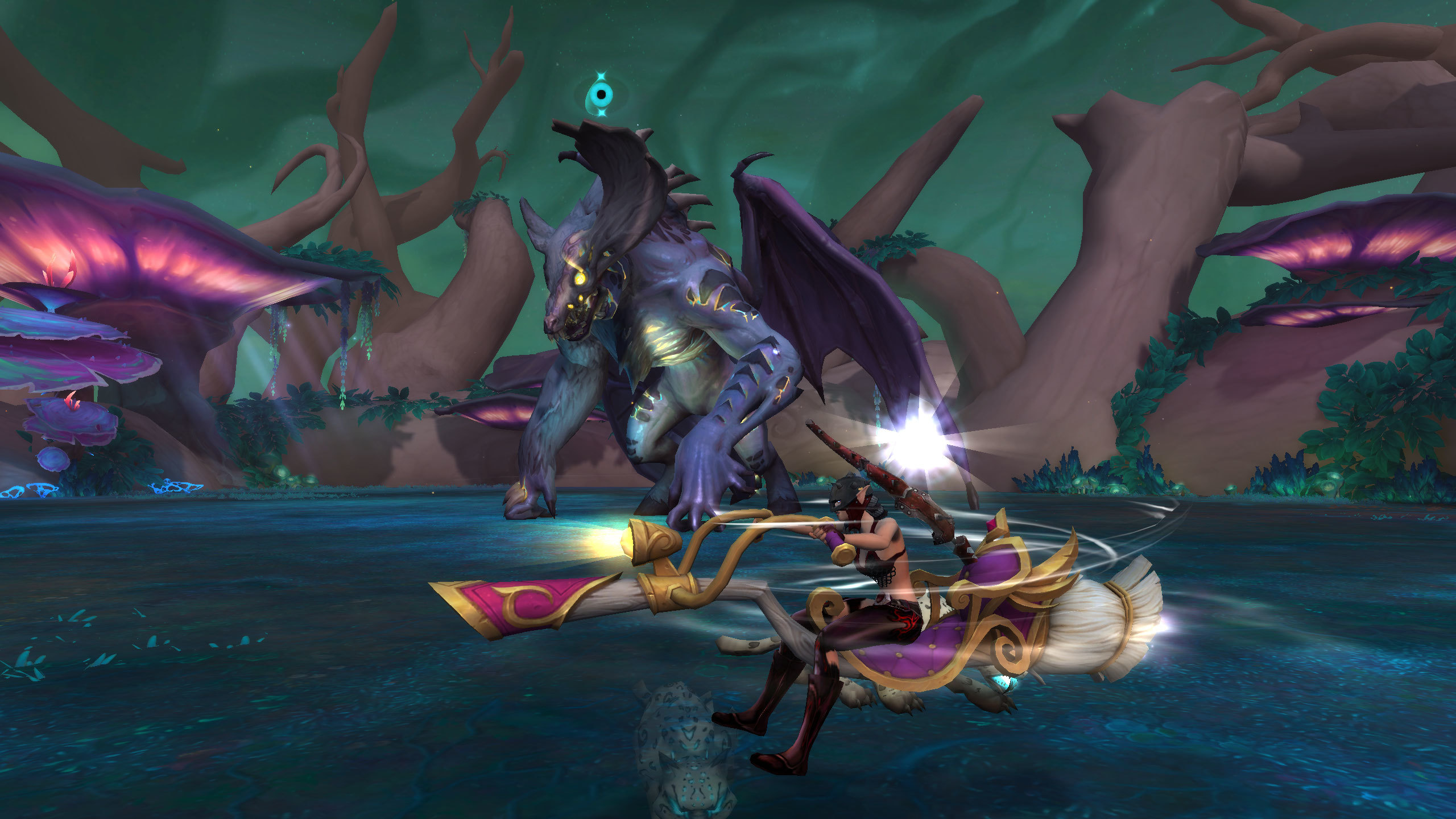
World of Warcraft is more than a game—it is a massive, player-driven community where meaning is often manufactured by the participants themselves rather than the developers. From role-playing events and spontaneous city gatherings to community-led charity streams, the players constantly find ways to build culture within Azeroth. This guide explores how these non-systemic traditions turn the game into a social canvas, proving that the most important features of an MMO are the ones the players build for each other.
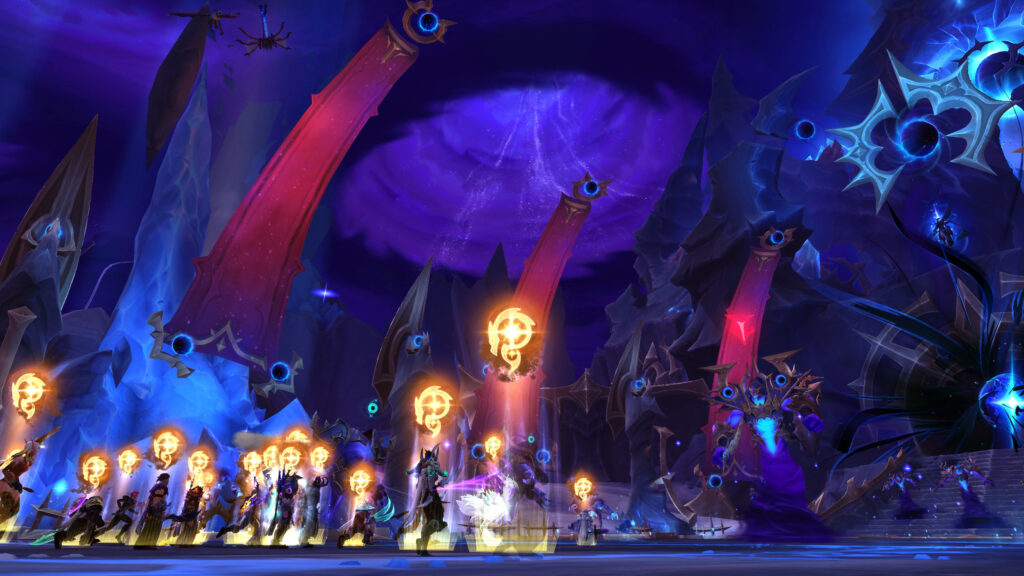
The Canvas of Social Agency
The developers provide the world, but the community provides the life. The most famous example of this is the role-playing scene, where players ignore the “questing” meta to create stories about tavern life, political dramas, or simple travel. These events aren’t tracked by achievements or rewarded with gear; they exist solely because players want to participate in a shared fiction. This social agency is the highest form of player expression. It takes the game’s mechanics—emotes, chat, character movement—and repurposes them into tools for collaborative storytelling. It transforms Azeroth into a living, breathing set where the players are the directors, writers, and actors.
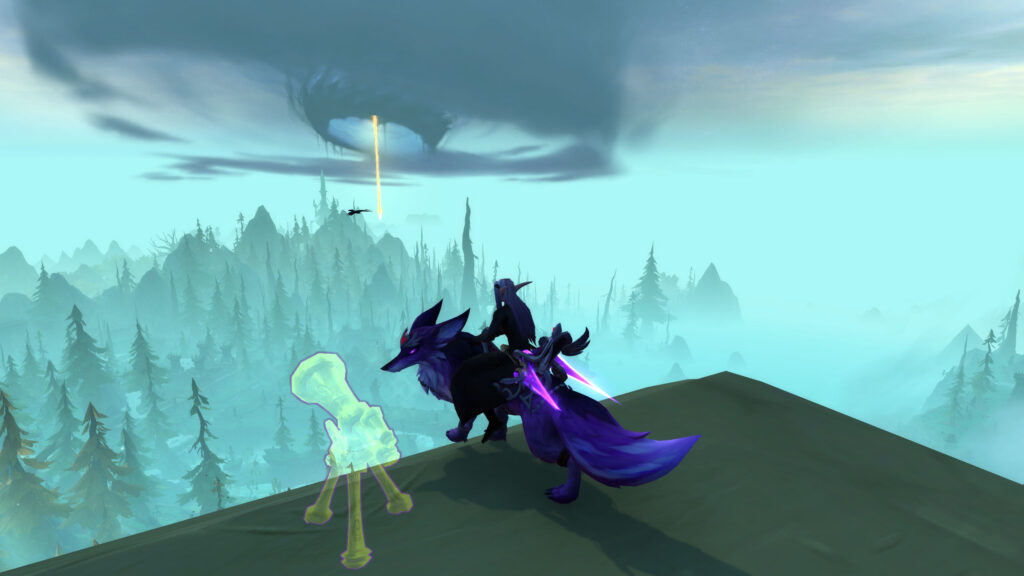
This “meaning beyond systems” also manifests in how players honor their own history. Memorial services for departed friends, massive world-pvp parades, and fashion contests held in capital cities are all community-invented traditions. These traditions don’t exist in the game’s manual. They are cultural artifacts that grew out of a desire for connection. By utilizing the public spaces provided by the developers, players have turned the game into a venue for genuine human interaction, proving that the best content in any MMO is the community itself.
Community-Led Traditions
| Tradition | Value to the Player |
|---|---|
| Roleplay | Deepens character and world immersion. |
| Player-Run Contests | Fosters social competition and fun. |
| Memorials | Builds emotional connection and history. |
| Social Gatherings | Strengthens bonds outside of raiding. |
The Importance of Public Spaces
The survival of these communities depends on the game’s architecture. By providing cities, taverns, and open-world zones, the developers give players the “floor space” to stage these events. The most vibrant communities often gravitate toward servers or zones that offer the best “staging” potential. This dynamic reveals that the players treat the game world as a physical reality. They care about the atmosphere and the geometry because that is where they build their culture. A city is only as “real” as the players who decide to make it their home.
A Living Culture
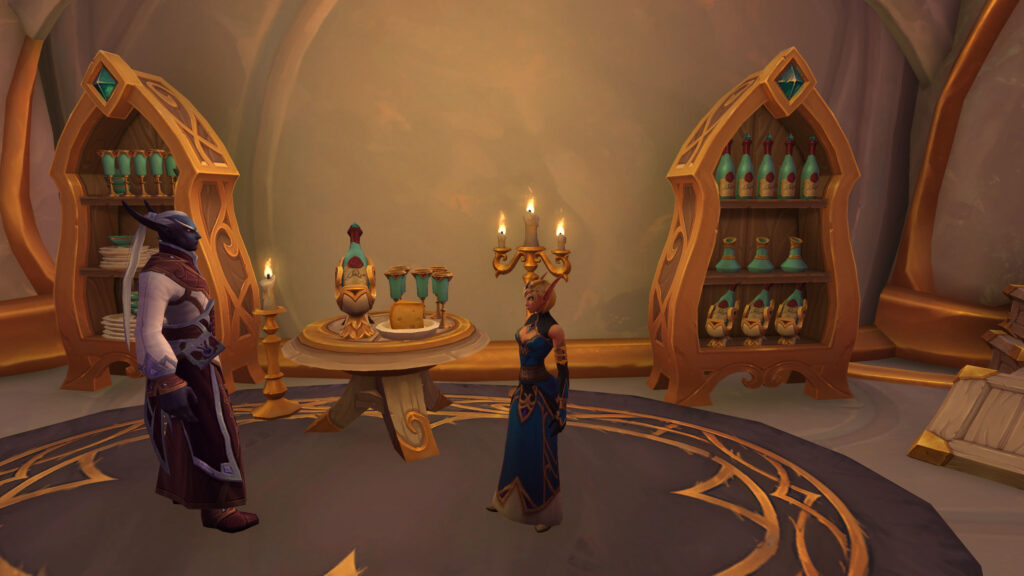
Ultimately, these player-built traditions are the reason players feel like WoW is more than just a game. When you participate in a culture you helped build, you feel an ownership over the experience that no developer-planned raid could ever provide. By encouraging players to use the game as a foundation for their own social goals, World of Warcraft creates a unique, enduring social contract that keeps players connected across decades.



Leave a Reply