

The Labyrinth in Path of Exile is one of the most unique and challenging endgame features in the game. Not only does it offer significant rewards such as ascendancy points, but it also serves as a test of your build’s strengths and weaknesses.
Completing the Labyrinth requires players to optimize their builds for both survivability and damage, often pushing them to refine their strategies and gear. In this article, we’ll explore how the Labyrinth serves as a challenge, how it tests your build, and why it’s such an essential part of the PoE experience.
The Labyrinth’s Role in Path of Exile
The Labyrinth is a sprawling, multi‑level dungeon where players must face traps, puzzles, and hordes of enemies. It’s not just about clearing waves of monsters; players are also tasked with navigating dangerous obstacles and completing specific challenges. The Labyrinth is also the key to unlocking the Ascendancy class for your character, which makes it an important step in any build’s progression. The challenge of the Labyrinth lies in the fact that it forces players to engage with both their build’s offensive and defensive capabilities, testing how well their character can handle a diverse range of threats.
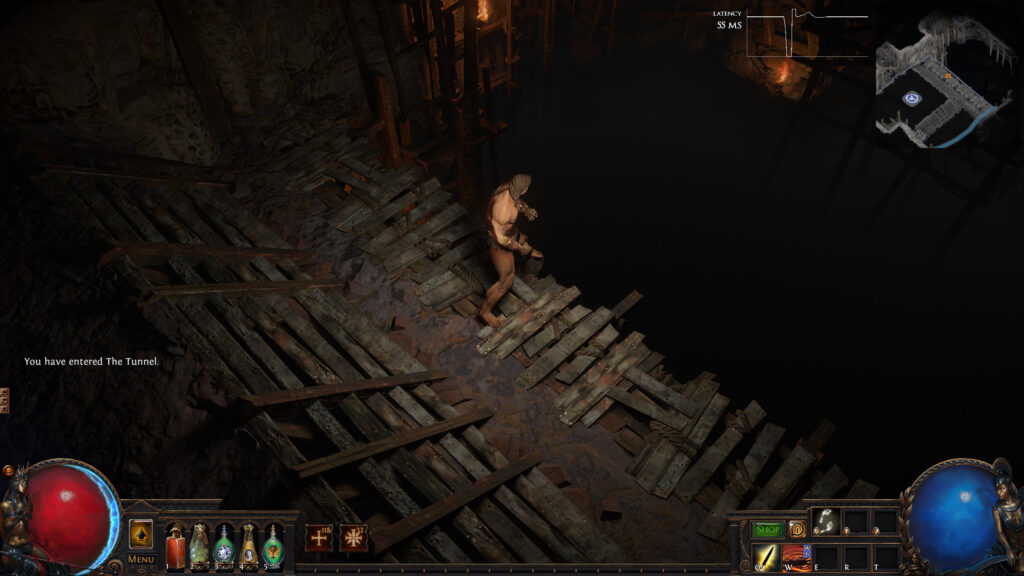
Each version of the Labyrinth increases in difficulty, requiring players to constantly adjust their strategy and build. By offering both rewards and a significant challenge, it creates a perfect environment to test your build’s potential, forcing you to optimize key elements like defense, mobility, and DPS output.
Why the Labyrinth Is a Test of Build Viability
One of the primary reasons the Labyrinth is such a vital part of Path of Exile’s endgame is that it is an excellent way to test whether your build is truly functional. It’s one thing to run through maps and clear enemies, but the Labyrinth presents a different set of challenges that require careful planning. For example, the Labyrinth includes both mob density and time‑based challenges, so builds that are either too slow or too fragile will struggle.
By pushing players to complete the Labyrinth with limited resources and while navigating through complex traps, it forces them to think about the overall synergy of their build. Are your defenses sufficient to survive dangerous traps and enemies? Is your damage output strong enough to take on the final bosses? If you find yourself struggling in the Labyrinth, it’s a sign that you might need to rework certain aspects of your build to make it more balanced or more efficient.
Adapting Your Build for the Labyrinth
To successfully navigate the Labyrinth, you must adapt your build to the specific requirements of the challenges. First and foremost, your defenses need to be robust. The Labyrinth’s traps and bosses can deal a significant amount of damage, so builds with low health or poor mitigation will struggle. Players must prioritize resistances, life, and movement speed to navigate effectively.
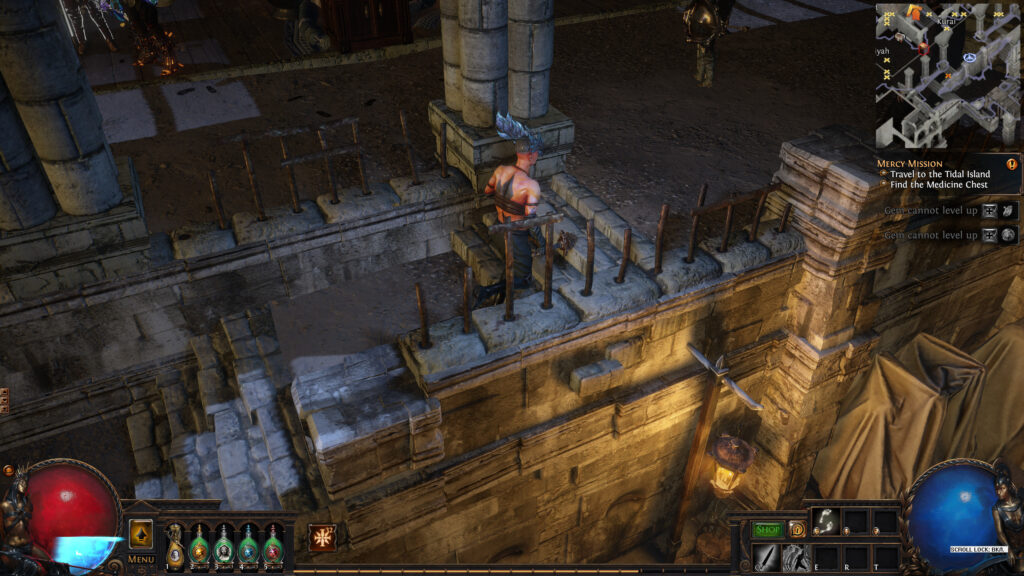
Additionally, you’ll need to ensure that your offensive capabilities are up to the task. The final boss fights in the Labyrinth are no joke, requiring substantial damage output and good positioning. Players who rely on high DPS will need to adjust their builds for better survival, while tankier builds might need to tweak their damage to speed up the encounter. The Labyrinth forces you to fine‑tune your build in ways that aren’t always necessary for regular mapping content.
The Labyrinth’s Influence on Build Diversity
The Labyrinth also encourages a diversity of builds. While some builds are optimized for high mobility or massive burst damage, others focus on sustaining life regeneration, using defensive layers like energy shield or evasion. The challenge of the Labyrinth pushes players to experiment with different build styles that they might not consider otherwise. For example, some players opt for builds that focus on avoidance (evasion) or damage mitigation (fortify, armor) specifically to handle the Labyrinth’s traps.

This focus on build diversity has a ripple effect throughout the game, encouraging players to not only build for the Labyrinth but also for the synergy between their chosen ascendancy and the mechanics they will face. This constant experimentation and adaptation drive the longevity of the game and provide players with a fresh challenge every time they return to the Labyrinth.
Tips for Completing the Labyrinth
Here are some quick tips to help you tackle the Labyrinth:
- Focus on Mobility: Speed is essential, especially in the traps sections. Build around fast movement and avoiding damage rather than tanking it.
- Maximize Defenses: Ensure your resistances are capped, and invest in life and energy shield to avoid being overwhelmed.
- Prepare for Bosses: The final bosses are tough. Make sure your DPS is high enough to take them down quickly, and don’t forget to bring flasks that provide defensive buffs or remove status effects.
Conclusion: The Labyrinth as a Gateway to Ascendancy
Overall, Path of Exile’s Labyrinth is one of the best ways to test your build’s viability and strength. Not only does it reward you with ascendancy points, which provide powerful bonuses to your build, but it also challenges you to think critically about your build’s weaknesses and strengths.
With its combination of traps, enemies, and boss fights, the Labyrinth serves as the ultimate test of a player’s mastery of their character and their chosen playstyle.





Leave a Reply